Amazon’s Holiday Returns Now Last Until January 31. Great for Buyers, Rough for Resellers
Picture this.
You find a great clearance deal in early November. You flip it. It sells in a day. You celebrate, reinvest the money and forget about it.
Then on January 28, it comes back.
That’s the reality Amazon sellers are looking at, because Amazon just made its extended holiday return window permanent.
Here’s what the Amazon holiday return policy actually says, why it matters if you resell, and how I’d plan around it.
What Amazon Announced
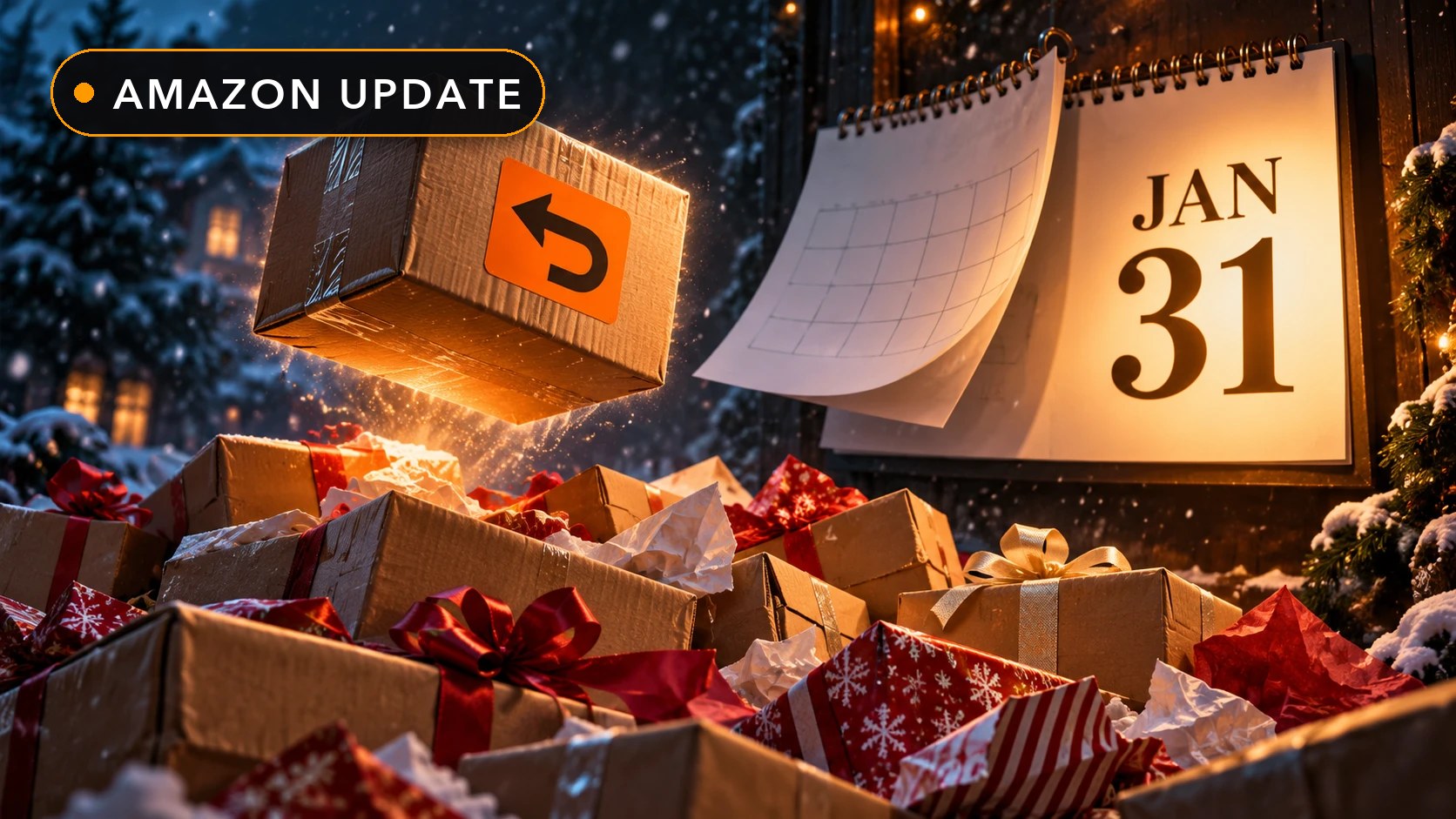
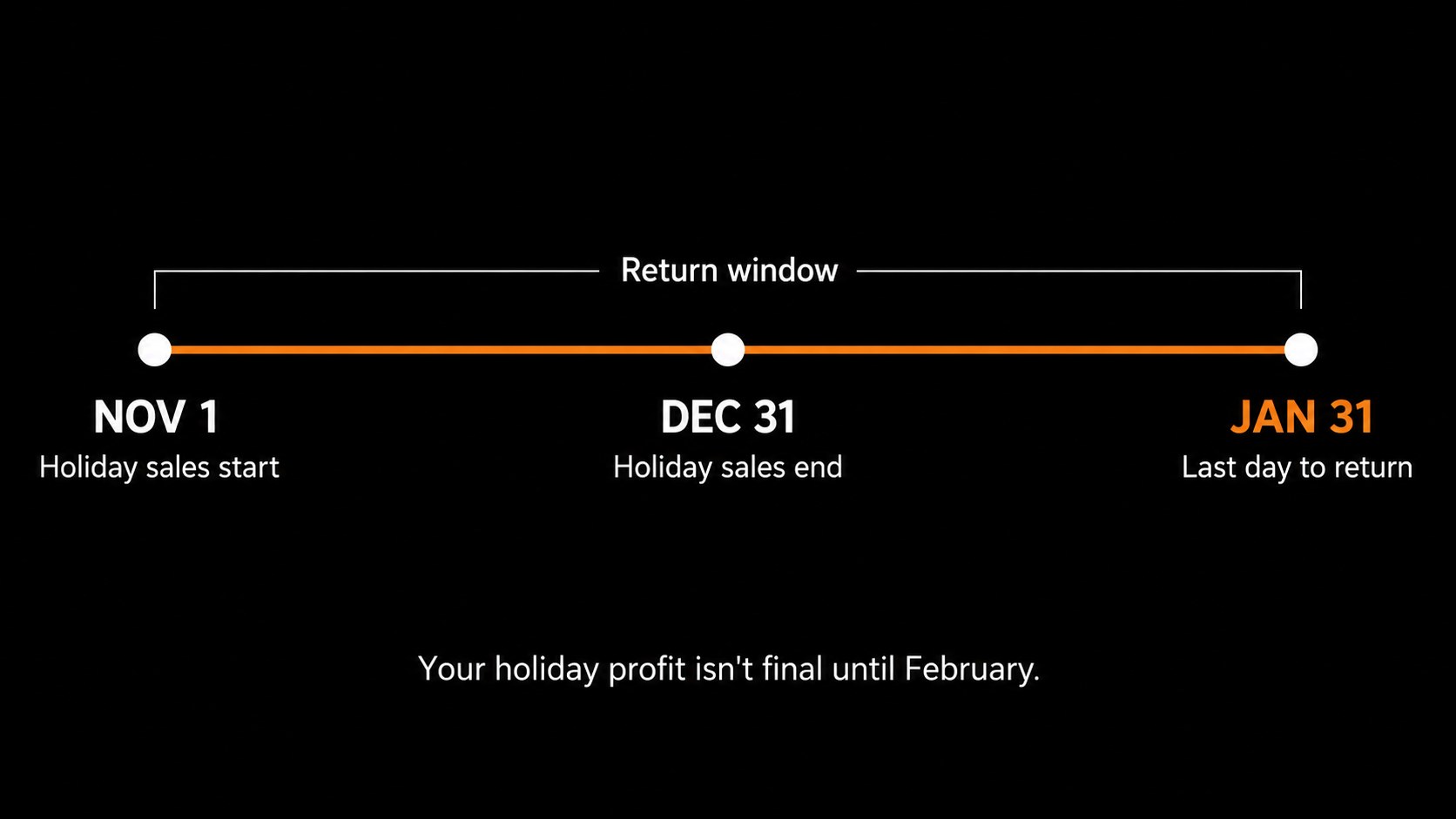
On October 16, Amazon told sellers that most items bought between November 1 and December 31 can be returned until January 31 of the next year.
A few key details:
- It applies every year now. This isn’t a one-time holiday perk anymore. It’s the rule.
- It covers both FBA and merchant-fulfilled orders. Doesn’t matter who ships it.
- Sellers don’t have to do anything. Amazon’s wording is basically “no action is required from you,” which is a polite way of saying it applies automatically.
- Apple products are the exception, with a January 15 deadline.
Amazon says existing return and refund conditions stay the same. The window is just longer.
Why Buyers Love It
From a shopper’s point of view, this is great.
Buy gifts in early November, don’t stress about whether Aunt Linda will like the sweater, return it in January if she doesn’t.
It makes holiday shopping on Amazon feel risk free, which is exactly the point. More confident shoppers means more holiday sales.
Why Resellers Should Pay Attention
Now flip it around.
If you sell on Amazon, a sale you make on November 2 isn’t really “final” until February. That’s three months where the item can come back.
For a big brand, that’s a rounding error. For a reseller, it can be the difference between a good season and a bad one.
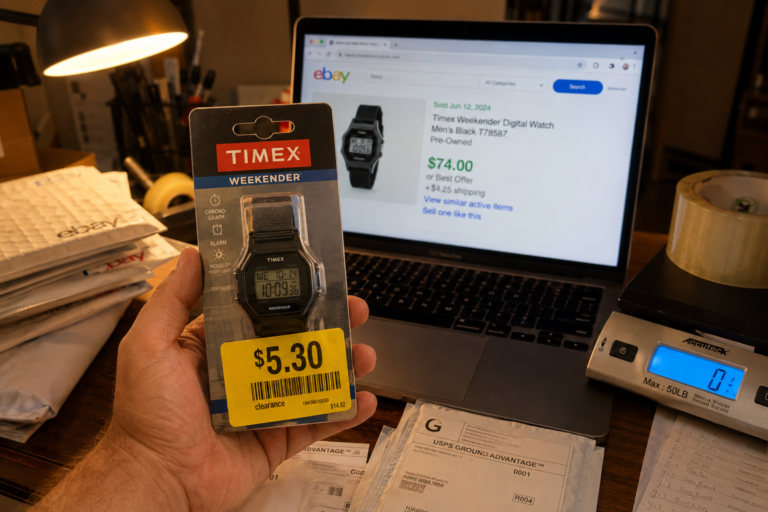
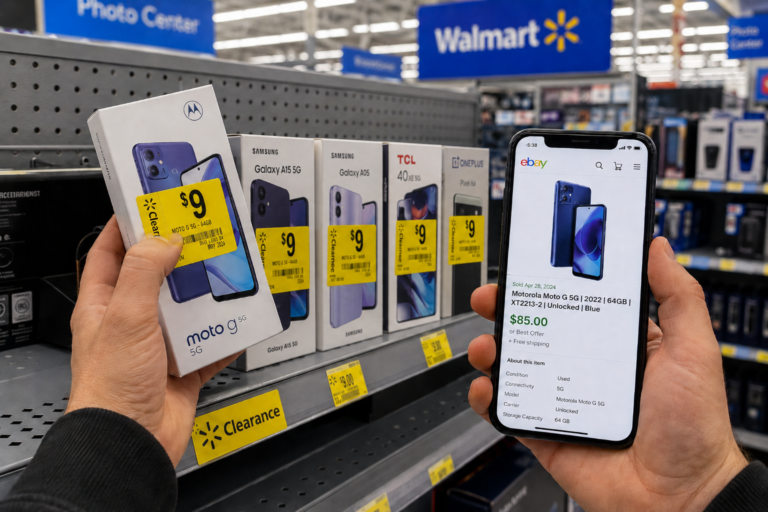
I mostly flip on eBay, and I’ve written about flipping clearance phones from Walmart and a batch of 22 clearance watches. The whole model depends on turning inventory into cash fast and reinvesting it.
A long return window messes with that in three ways:
1. Your profit isn’t really profit yet. If you reinvest November sales right away and a chunk of them come back in January, you’re suddenly short on cash right when holiday sales dry up.
2. Returned items come back after the season. That holiday item you sold for full price in November? It returns in late January, when nobody’s shopping for it anymore.
3. Return condition is a gamble. Some returns come back perfect. Some come back opened, used or missing pieces. The longer the window, the more time for that to happen.
Let’s Run the Numbers
Here’s a simple example. These are made-up round numbers to show the math, not real sales data.
Say you sell 100 items in November and December at a $10 profit each. That’s $1,000 in profit, and it feels great.
Now say 10% of those come back in January. That’s 10 returns. On each one you lose the $10 profit you counted on, plus whatever it costs you in return shipping, repackaging or a lower resale price because the box has been opened.
Call it $15 lost per return. Your $1,000 holiday profit is now $850.
That’s not a disaster. But if you already spent the full $1,000 on new inventory in December, you’re now $150 short in January, which is usually the slowest month of the year.
The return rate depends entirely on what you sell. Electronics, clothing and gifts tend to come back more than consumables. The point isn’t the exact number. It’s that holiday profit shouldn’t count as real until the window closes.
The Holiday Gift Problem
There’s another wrinkle that makes holiday returns different from regular ones.
A lot of holiday purchases are gifts. Gifts get returned for reasons that have nothing to do with the product. Wrong size. Wrong color. Already have one. Just didn’t like it.
So even if you sell a perfect item in perfect condition, it can still come back simply because the person who received it didn’t want it.
That’s not something you can control with better photos or a better description. It’s just part of selling during gift season, and the longer window gives more time for it to happen.
How I’d Plan Around It
It applies automatically, so the move is to plan for it.
Don’t spend November profit until February. Treat holiday sales as “pending” in your head, or at least keep a cushion for returns.
Be careful with seasonal inventory. Holiday-specific items are the riskiest, because if they come back in January they might sit until next November.
Price for returns. If a category tends to get returned a lot, build that into your pricing instead of hoping it doesn’t happen.
Inspect returns fast. When items come back, check them right away so you can relist good ones or file claims on damaged ones while it’s still fresh.
Know your numbers. If you read my eBay post, you know I’m a broken record about margins. A return isn’t just a lost sale. It’s shipping, time and sometimes an item you can’t resell at full price.
Is This the End of Holiday Flipping on Amazon?
No.
The holiday rush is still the busiest stretch of the year, and more confident shoppers can mean more sales for everyone. The return window is a cost of doing business, just like fees and shipping.
The sellers who struggle will be the ones who treat November revenue like January cash.
Final Thoughts
With its new Amazon holiday return policy, Amazon made a buyer-friendly rule permanent. That’s not surprising. Amazon has always optimized for the shopper first.
As a reseller, you don’t have to love it. You just have to plan for it.
Keep a cushion. Watch your seasonal stock. And maybe don’t buy that boat with your November profits.
Wait until February.
Dom
Sources: PPC Land: Amazon makes its January 31 holiday return deadline an annual rule, EcomCrew: Amazon made extended holiday returns a permanent rule
Frequently Asked Questions
What is Amazon’s holiday return policy for 2026?
Most items purchased on Amazon between November 1 and December 31, 2026 can be returned until January 31, 2027. Apple products have a January 15 deadline.
Is the Amazon extended holiday return window permanent?
Amazon told sellers the extended holiday return window will now apply every year.
Does the Amazon holiday return policy apply to FBA and FBM sellers?
Yes. It applies to items sold on Amazon.com whether they’re fulfilled by Amazon or by the merchant.
Do Amazon sellers need to do anything for the holiday return window?
No. Amazon says no action is required from sellers and the extended window applies automatically.