Temu Just Paid Texas $3 Million Over Product Safety. Here’s What It Means If You Resell Cheap Products

There’s an old saying in reselling: you make your money when you buy.
There should probably be a second one: you lose your money when you buy something you shouldn’t have.
That second lesson is what came to mind when Texas announced its settlement with Temu on October 16. It’s a big deal for shoppers, but it’s also a reminder for anyone who flips cheap products.
Here’s what the Temu settlement actually requires, and what resellers should take from it.
What Happened
Texas sued Temu earlier this year, accusing the company of things like collecting user data, misleading shoppers about discounts and quality, and selling products that could be unsafe.
Temu settled. The key terms:
- $3 million paid to Texas, covering penalties, attorney fees and investigation costs
- Yearly independent product testing on a cross-section of products Texans commonly buy, checking for lead, PFAS, phthalates, formaldehyde and heavy metals
- Fast removals. If a product fails, Temu has to pull the listing within two business days and cut off the seller within five
- Refunds for Texas buyers of products confirmed harmful
- Data rules, including storing Texans’ data on US servers
Temu didn’t admit wrongdoing as part of the deal, and the settlement applies to Temu and Texas specifically.
Why Resellers Should Care
You might be thinking, “I don’t buy from Temu, so who cares?”
Fair. But the bigger story isn’t about one app. It’s about what happens when cheap products meet stricter safety rules.
If you resell, you’re the one standing between a product and a customer. When something goes wrong, “I just flipped it” isn’t much of a defense with buyers, and it’s definitely not one with marketplaces.
Here’s what I’d take from this:
1. Cheap can get expensive. A product that costs almost nothing to buy can cost you a lot if it gets pulled, returned or flagged. Cheap inventory is only a deal if you can actually sell it safely.
2. Some categories carry more risk. Testing focused on things like lead, PFAS and phthalates. That stuff shows up in categories like kids’ products, jewelry, kitchen items and cosmetics. If you flip in those categories, be extra careful where your stock comes from.
3. Marketplaces are watching too. eBay, Amazon and Etsy all have rules against unsafe products. Platforms are getting faster at pulling listings, and a pulled listing is the best-case outcome. Account problems are worse.
What PFAS and Phthalates Actually Are
A lot of coverage throws these terms around like everyone already knows what they mean. Here’s the plain English version.
Lead is the one most people know. It’s a toxic metal that has no business in products people touch or put in their mouths, especially kids.
PFAS are often called “forever chemicals.” They’re used to make things water resistant, stain resistant or nonstick, and they break down extremely slowly. They show up in things like coated cookware, waterproof clothing and some packaging.
Phthalates are chemicals used to make plastics soft and flexible. You’ll find them in things like vinyl toys, some cosmetics and plastic accessories.
Formaldehyde can show up in things like certain fabrics, wood products and glues.
You don’t need to be a chemist to resell. But knowing what these are helps you understand which categories deserve a little extra caution.
The Marketplace Side of This
Here’s the part that matters most for anyone selling on eBay, Amazon or Etsy.
Every major marketplace bans unsafe and recalled products. When a product gets flagged, the marketplace doesn’t care where you bought it or how good the deal was. They care that it’s on their site.
The usual best case is a removed listing. If it keeps happening, you can be looking at account warnings, selling limits or worse.
And if a buyer gets hurt or sick, a removed listing becomes the least of your problems.
That’s why “I didn’t know” isn’t a great strategy. The settlement is about Temu, but the responsibility to know what you’re selling has always belonged to the seller.
How I Think About Sourcing
When I wrote about what reselling actually is, the core idea was simple: buy low, sell higher, and know your numbers.
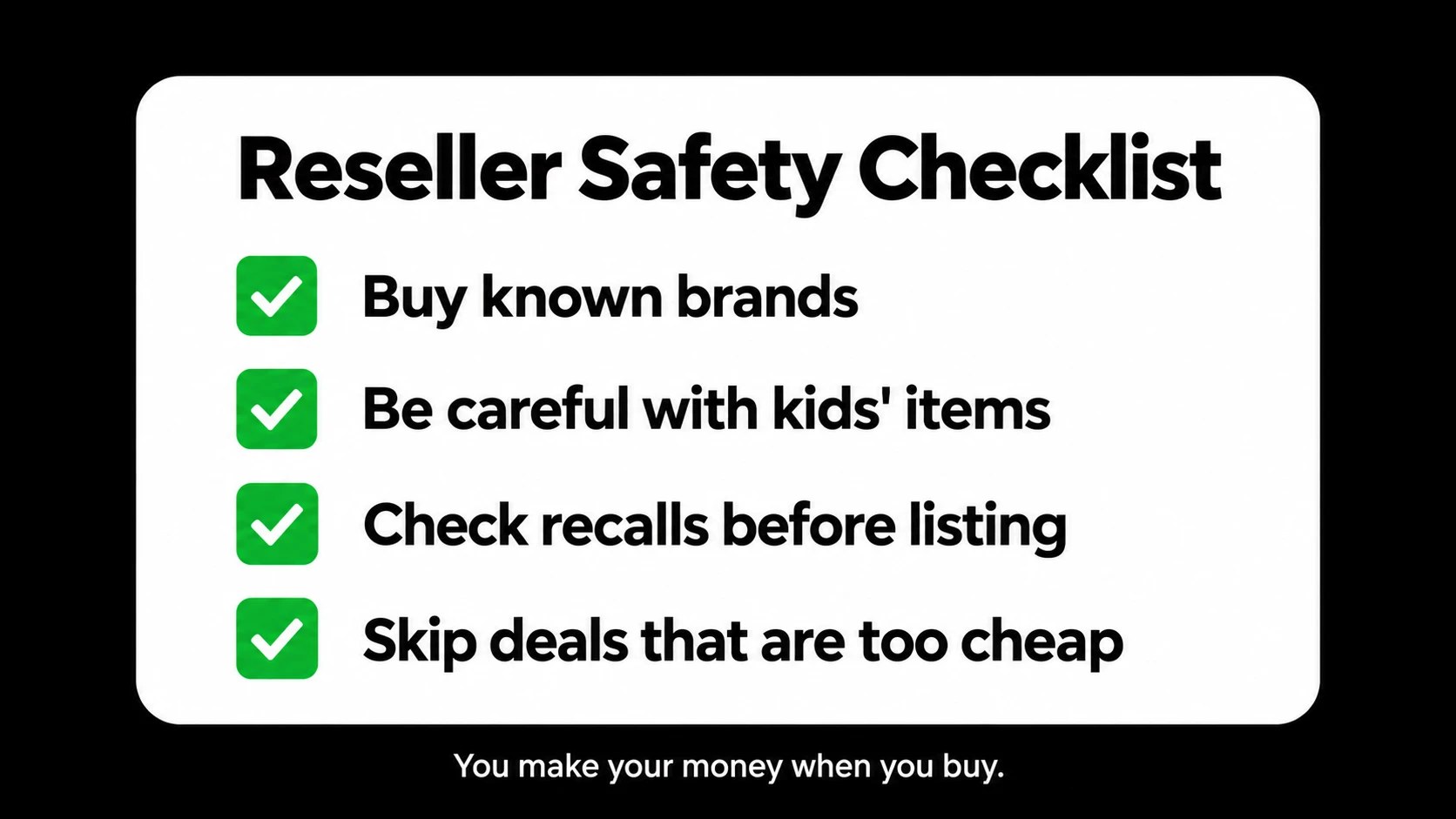
Product safety is part of “know your numbers.” A few rules I’d follow:
- Buy name brands when you can. Retail clearance from known brands is a lot less of a gamble than no-name products with no paper trail.
- Be careful with kids’ items. Toys and children’s products have strict safety rules. If you can’t verify where something came from, skip it.
- Watch for recalls. Check product recalls before you list, especially for electronics, toys and baby products.
- Avoid anything that seems too cheap to be real. If a product is a fraction of what it should cost, there’s usually a reason.
- Read your marketplace’s prohibited items rules. Every platform has them, and ignorance won’t save your account.
Is This the End of Cheap Flips?
Not at all.
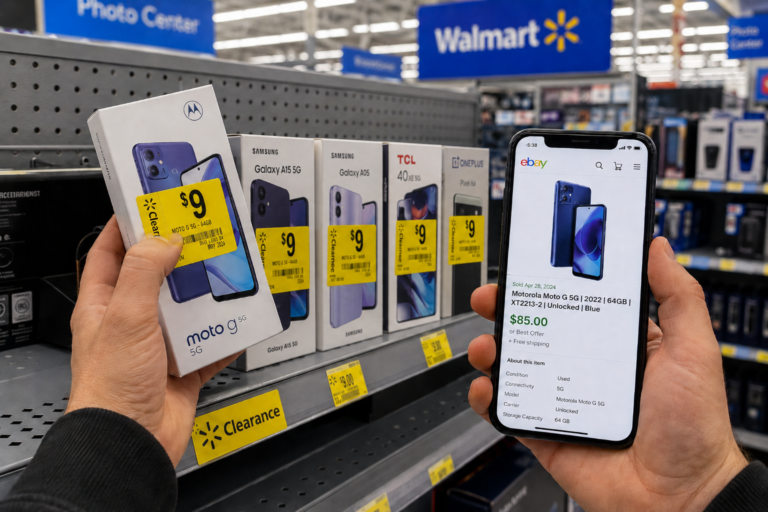
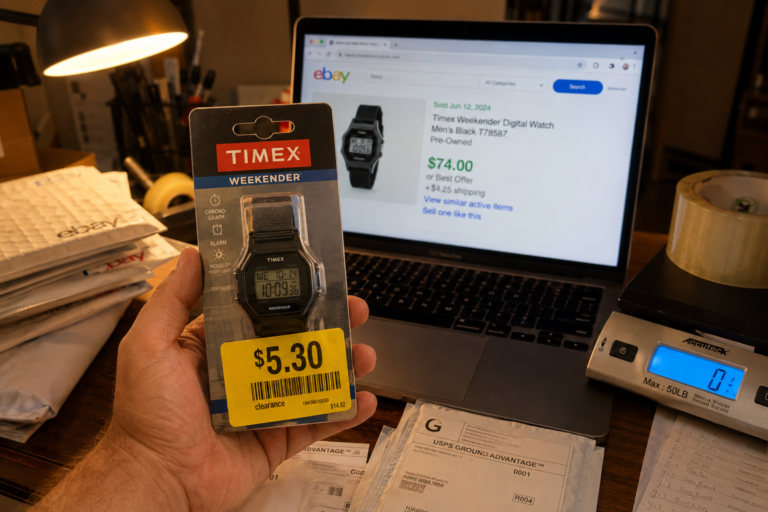
Cheap products are still the backbone of a lot of reselling businesses. Clearance runs, garage sales, thrift finds. That’s how most of us start.
The lesson isn’t “never buy cheap.” It’s “know what you’re buying.” The resellers who last are the ones who treat sourcing like a business decision, not a lottery ticket.
Final Thoughts
The Temu settlement is one deal in one state, and it isn’t going to change reselling overnight.
But it’s a sign of where things are heading: more testing, faster takedowns and less patience for unsafe products.
If you flip cheap stuff, that’s not a reason to stop. It’s a reason to be a little pickier.
You make your money when you buy.
Just make sure what you buy is worth selling.
Dom
Sources: FOX 7 Austin: Temu agrees to new data security and product safety standards, SaferProducts.gov recall and safety reports
Frequently Asked Questions
What is the Temu Texas settlement?
In October 2026, Temu agreed to pay Texas $3 million and adopt new product safety testing and data privacy rules to settle a lawsuit brought by the state. Temu did not admit wrongdoing.
What products will Temu test under the Texas settlement?
An independent firm will test a cross-section of products commonly bought by Texas consumers each year for lead, PFAS, phthalates, formaldehyde and heavy metals.
What happens if a Temu product fails testing?
Temu must remove the listing within two business days, end the seller’s access within five business days and refund Texas buyers of confirmed harmful products.
Does the Temu settlement affect resellers?
The settlement applies to Temu in Texas, but it’s a reminder that resellers are responsible for what they sell. Unsafe products can lead to removed listings, refunds and marketplace account issues.